The Arroyo Malalco rises like many other Patagonian rivers from the Andean cordillera, where the border between Argentina and Chile makes a sudden curve toward the northeast. The road that leads there — especially once you enter Mapuche territory — is made of volcanic sand and scattered gravel between deep potholes, and pushes north past Quillen before ending at a small cluster of indigenous barracks.
When we arrive, what we find resonates in both me and my travel companion Antonello. As we open the doors to stretch our bones, the smell confirms the strange feeling our eyes had already given us: it feels like home.
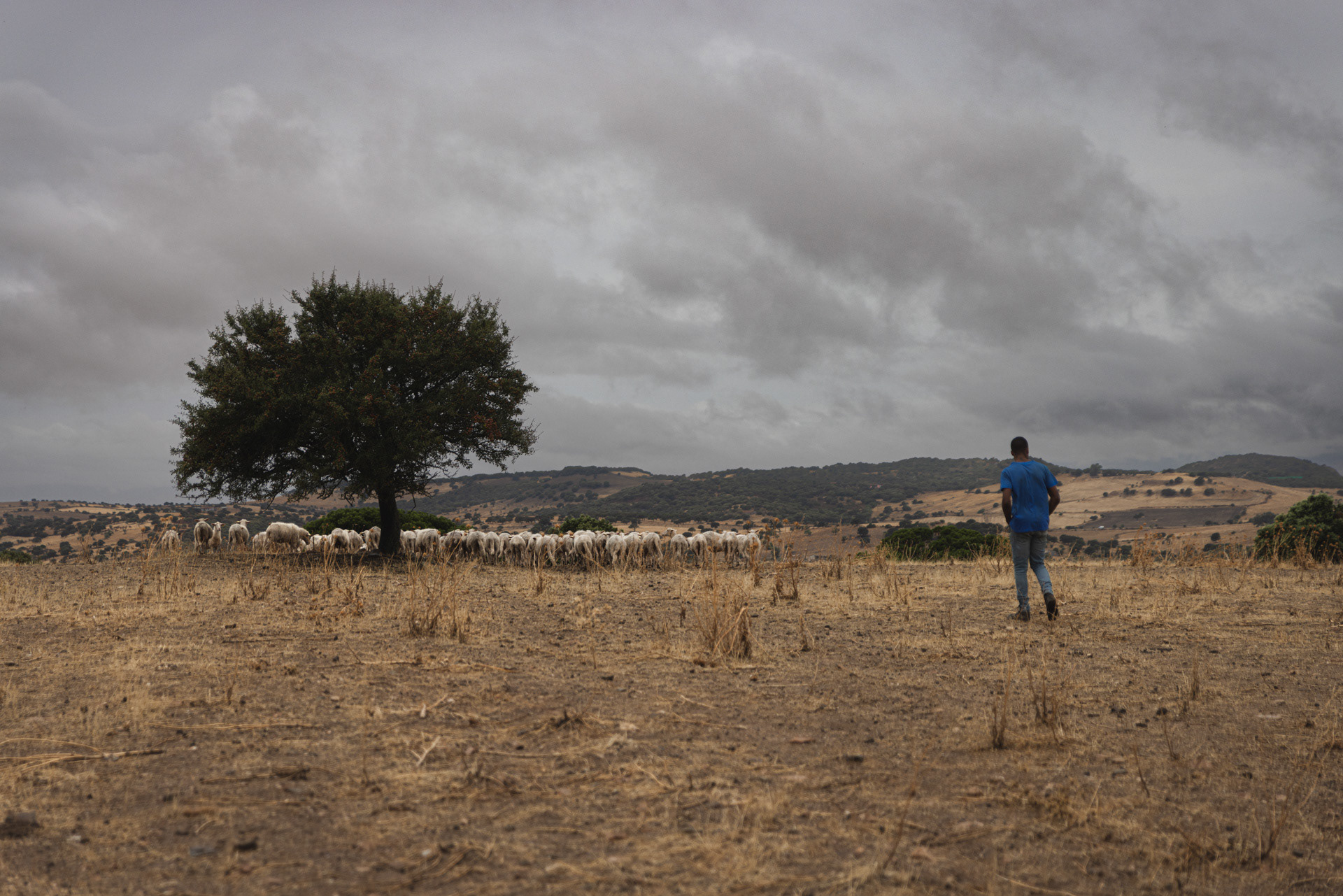
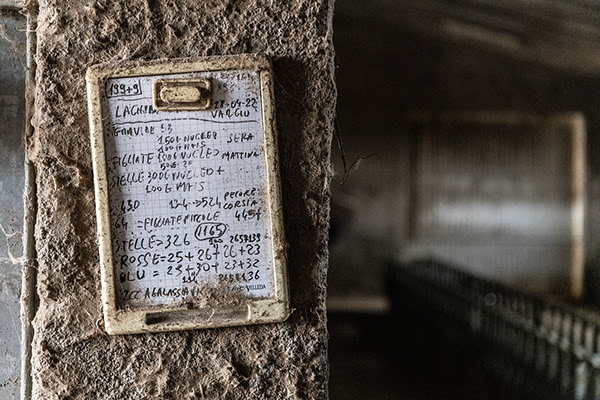
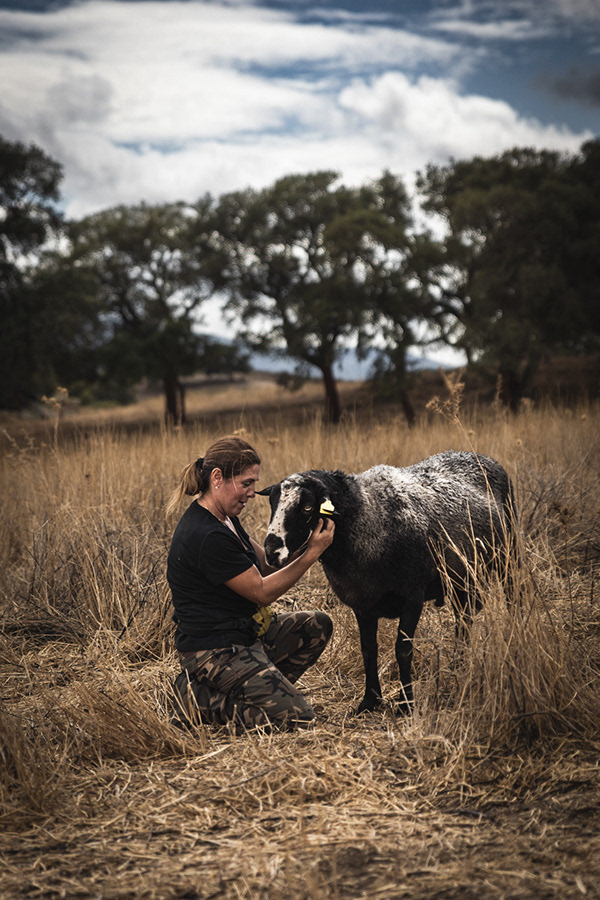
Home for Antonello is Sardinia, the Logudoro. For me it is the memory of being a child, when my grandfather — Abruzzese by birth, transplanted to Umbria — would slaughter a lamb from the flock at Easter and hang it from the hook in what had been his cheese-making workshop. We are home: the rough wooden fences separating the small stalls from the barracks are slightly different from the ones Antonello grew up with, yet they are the same. But it is the smell rising from the sheep carcass hanging from a branch beside a rickety little house that is unmistakable — it is the smell of where shepherds have lived, worked, and tried to survive for millennia, in contact with the same blood, the same milk, under different skies.
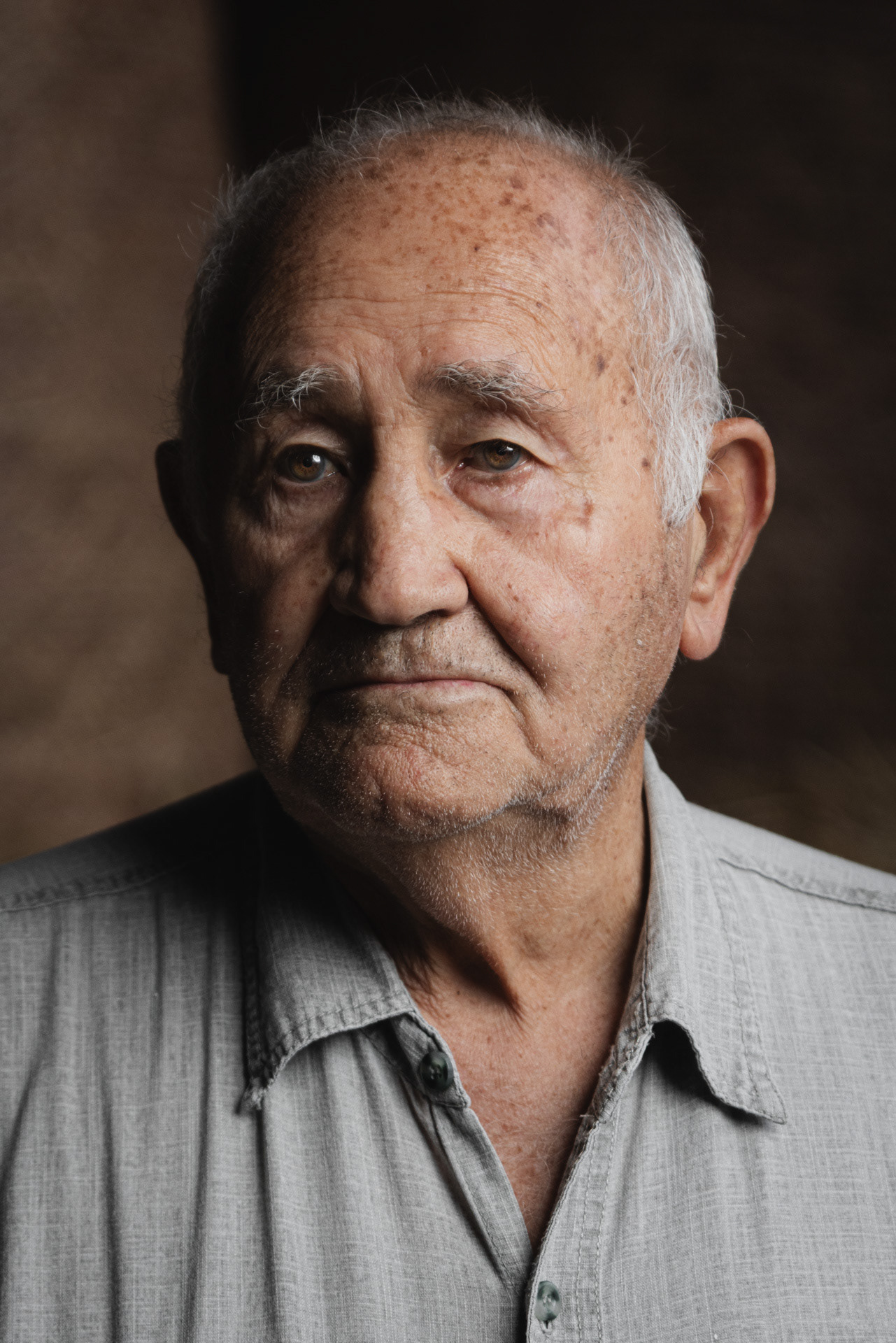
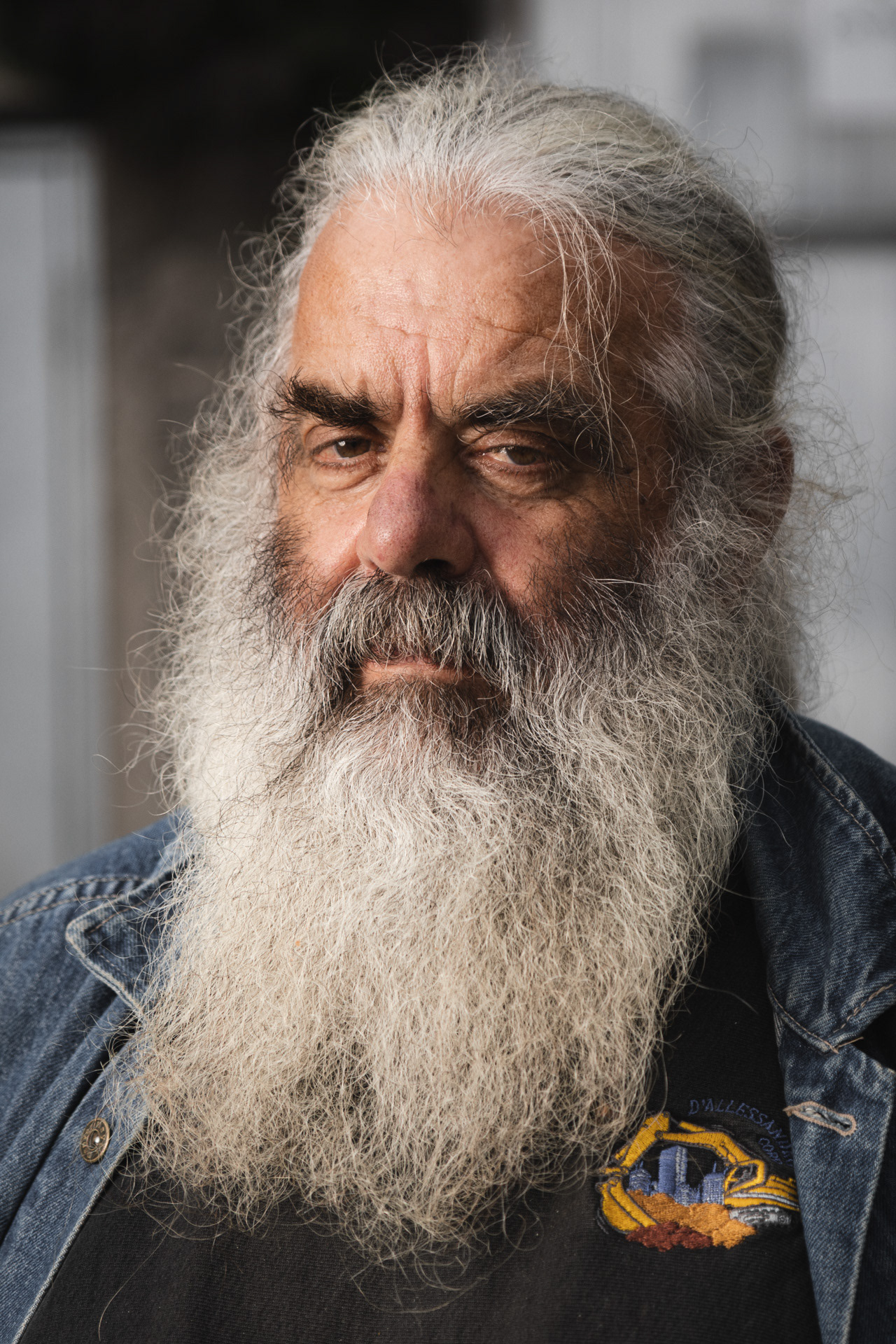
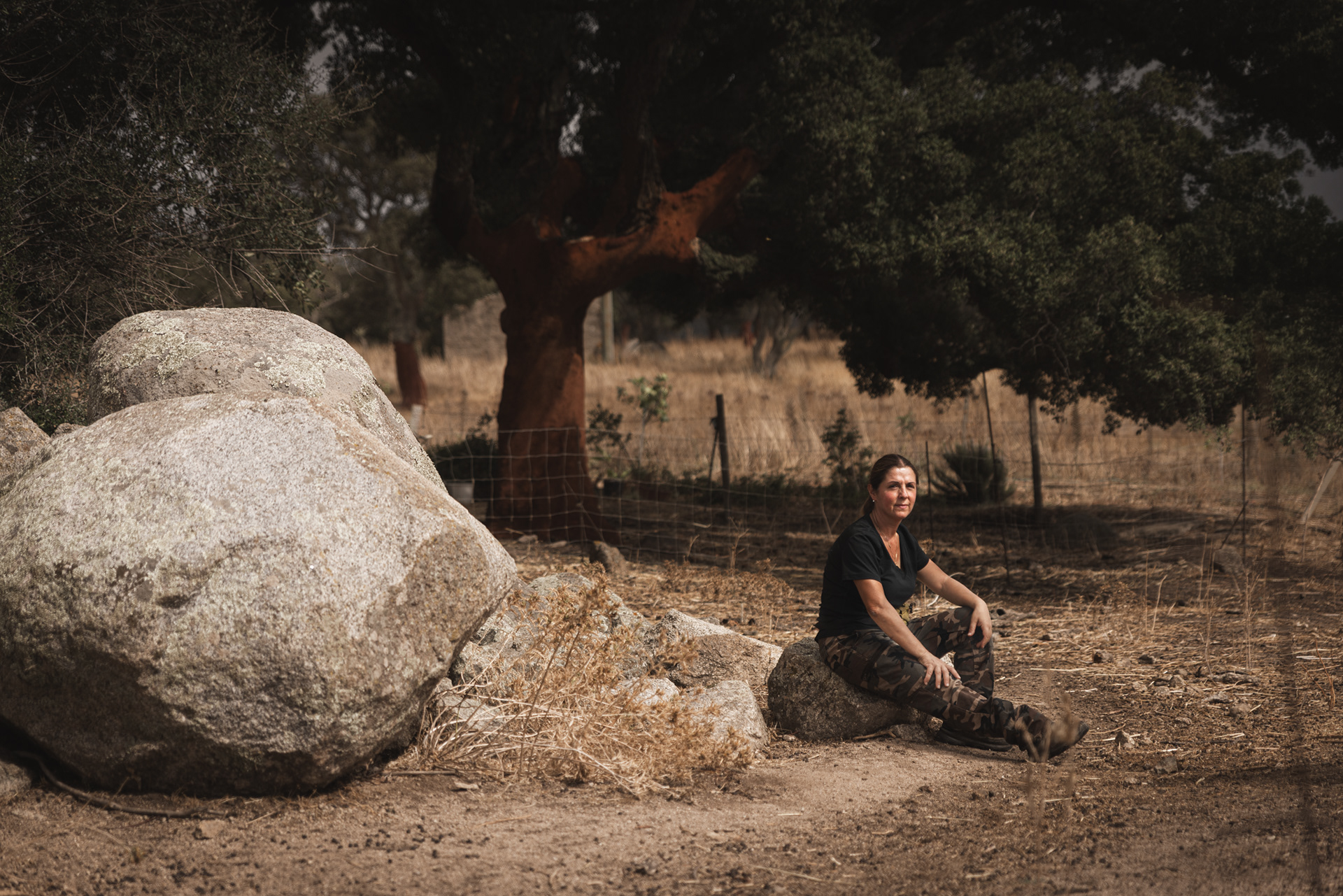
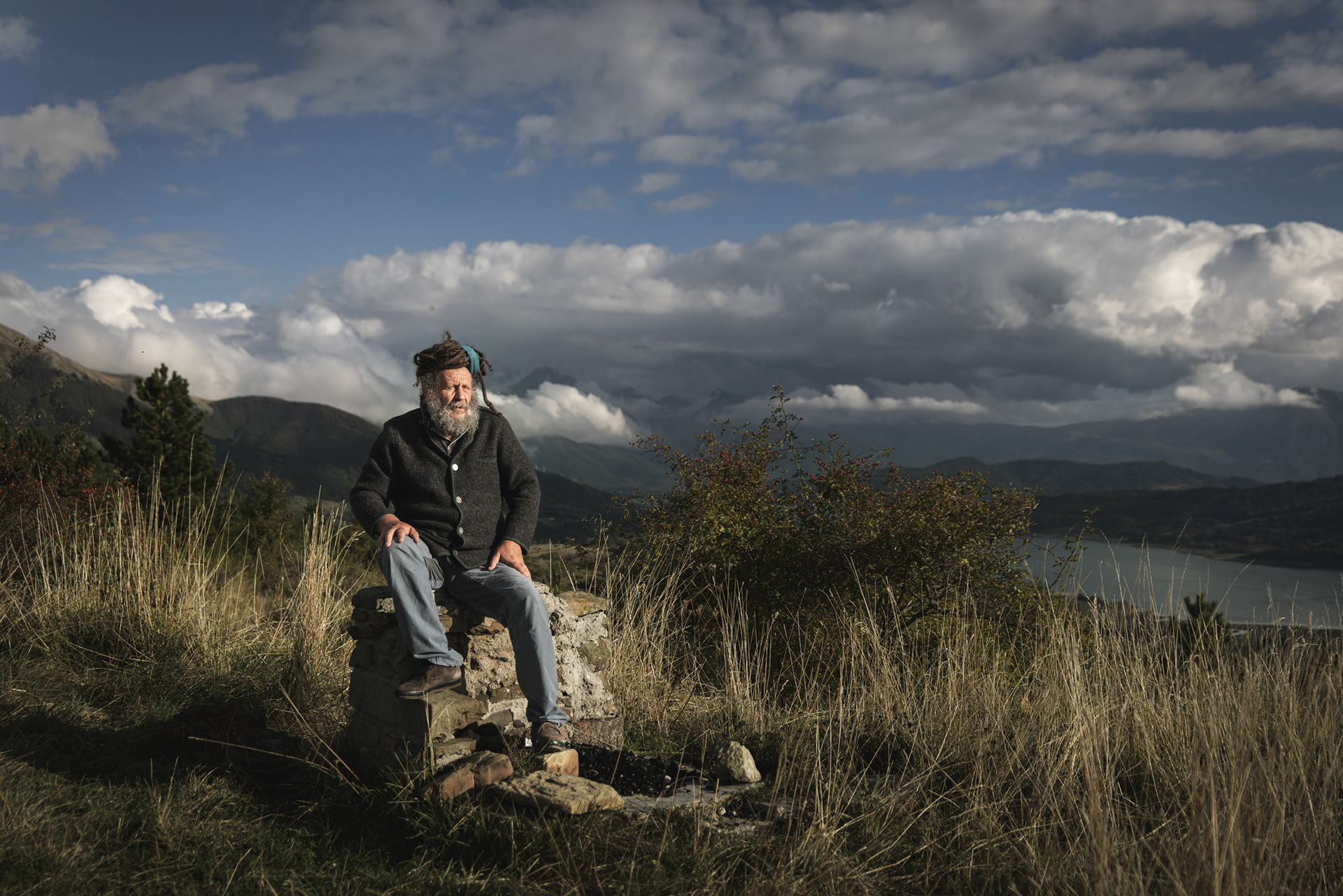
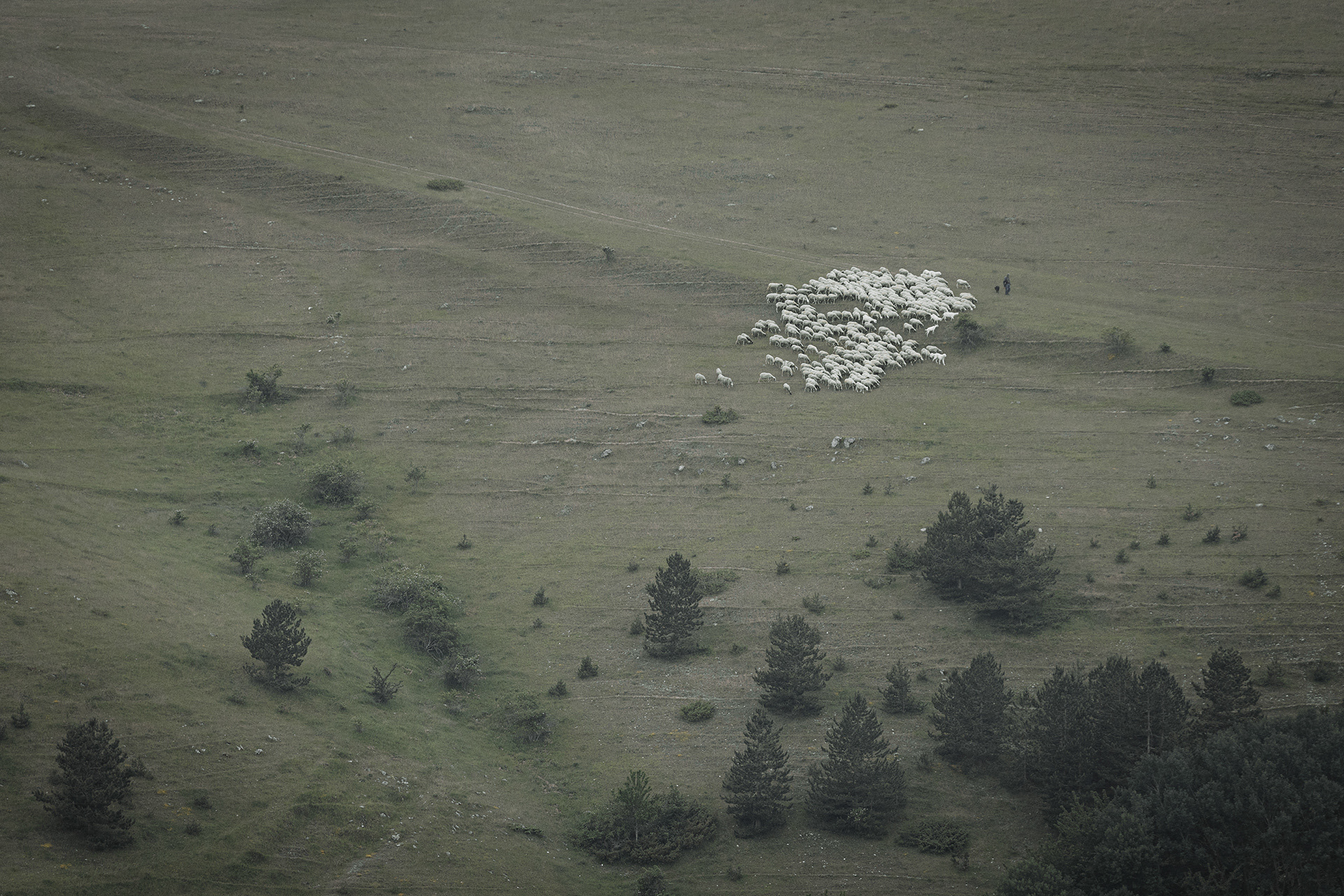
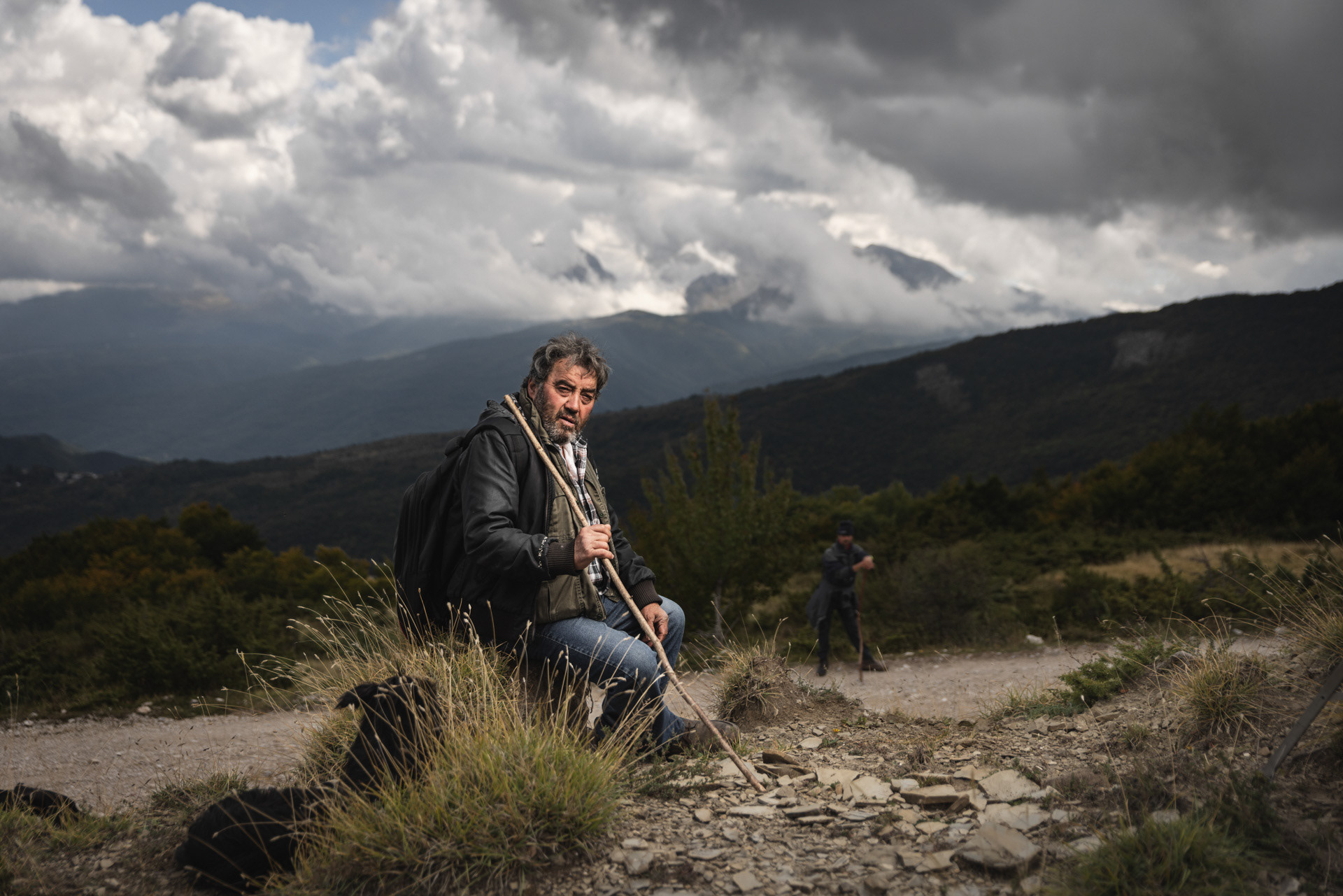
Shepherds have always moved through landscapes across the world, guiding their flocks through mountains, deserts, and steppes. Despite enormous differences in geography, language, and religion, pastoral communities share gestures, sounds, and rhythms that are strikingly alike. They sing in polyphony. They navigate in the dark by reading the stars. They wear clothes that still carry the smell of grass, wool, and milk. And they share a similar fate: to be swept away — by European bureaucracies eroding common pastures with new laws and new taxes, by regimes that collectivized nomadic lands by force, by capitalisms that have transformed herding into industrial extraction. They resist, with the same stubbornness with which Abel resisted Cain — knowing, perhaps, how it would end.
It is in that corner of central Patagonia that the spark of this project is born: the idea that there is a thread binding all pastoral cultures together, and that this project is an attempt to gather that thread — worn thin and fragile now — before it breaks for good.
This project is ongoing. If you are interested in following its development, supporting the work, or exploring collaboration opportunities — I'd like to hear from you.

You may also like

Back to Top